Ready, Set, Go!

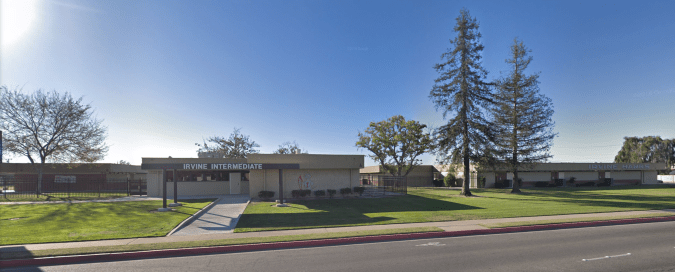
Screen Shot 2018-08-22 at 5.41.00 PM.pngSummer is quickly coming to an end as the school year officially begins for me this Friday. My time away from my second home was well spent in reflection and relaxation as I gear up for what will be a VERY busy fall semester…not only am I finally going to be able to implement my dissertation work in the form of a year-long professional development model but I am serving on the district textbook consult AND I’m piloting two new world history textbooks.

After a long afternoon nap (boy, I’m going to miss those!), I began work on the various technology sites and tools my students will be using this year. I set up my Power School Learning class, Google Classroom(s), and Edmodo site. I also finished creating the scavenger hunt I plan to use with my students on the first day of school. The scavenger hunt is the product of my work for the multicultural education course this summer. My hope is that the first day of school in my classroom will begin with students getting to know each other instead of being bored to death by sitting through a lecture on rules. Some of the scavenger hunt questions will have students getting signatures from others outside of their class period which will hopefully push them to branch out to create a larger learning community.

I am in the process of setting up my Tell Me About You page in Power School which includes a Google Form that solicits information from students to help me get to know them (and their needs) quickly. This is also a by-product of my work from the multicultural education course this summer. I’m excited to see how these various activities impact my relationships with my students. I’ll keep you posted!

Where Do You Belong?

Screen Shot 2018-07-19 at 11.47.44 AM.png

The first day of school…especially middle school…is one filled with excitement and dread wrapped up in one. I think most students approach the first day of school with the question of where do they fit in among their peers? In other words, where do they “belong”? And to be honest, it’s something they will likely revisit over and over and over again. I mean, adolescence and puberty. ‘Nuff said.

What I was thinking about today is how can I get to know my students beyond what they want to show me (and their peers)? I’ve thought about giving students a getting to know you survey on the first day of school, but for some reason, I haven’t taken that step. Until now.

This summer as I contemplated how I can shore up my skills regarding culturally responsive teaching practices, two areas come to mind: developing a cultural diversity knowledge base and cultural congruity in classroom instruction (Gay, 2002). I believe having students fill out a survey during the first couple of days of school is one way that I can get the background information I need to design a learning environment that supports the diverse needs of my students.

The Google form survey that I plan to use is called Tell Me About You. It’s a bit on the lengthy side so I may break that up into two different surveys so that it’s not too taxing on my kiddoes. I’m also thinking about sending a note home to parents/guardians to ask them how I can support their child in my class. However, since many of the families speak a different language other than English that might pose a problem in getting responses from them. I need to think this second part through a bit more.

But I think the Tell Me About You survey is a good place to begin the process of not only getting to know my students, but also getting to know about their strengths, concerns, dreams, etc. Perhaps using this as a starting point for a discussion between peers might be a way to help them develop a sense of community as well. I haven’t incorporated Bingo as a getting to know you scavenger hunt in many years, but maybe this year I will resurrect that activity.

So many ideas…

Reference

Gay, G. (2002). Preparing for culturally responsive teaching. Journal of Teacher Education, 53, 106–116. doi:10.1177/0022487102053002003


Resource: Facing History

Teachers can be easily overwhelmed with the number of resources available to help us do our jobs…but I’m going to add another one anyway.

Facing History and Ourselves is a site that challenges teachers and students to “Be the change that you wish to see in the world” (Mahatma Gandhi). This website contains lessons and activities that teach students how to critically assess historical events that epitomized prejudice, hatred, intolerance, and racism (to name a few). Children–our students–are constantly exposed to dysfunctional relationships and interactions in video games, movies, and TV. What they see informs their mindset and potential actions.

To address social justice issues, it is important that teachers use events from history to teach students to ask the difficult questions, develop empathy, and critically analyze the details. Social justice focuses on equity and equality as a basic human right, empowerment, and promotion of social responsibility. But social justice issues are not solely regulated to the past. Unfortunately, our current social and political climate continues to offer a plethora of social justice issues. Some of our students (or at least their parents) fled their home countries because of civil unrest, injustice, and even genocide. What better way to make learning meaningful and relevant but to have them explore the historical events that prompted their parents to seek a better life here in the United States? And why not also explore why others have not been able to leave? What barriers exist that prevent people from escaping the various types of injustices inflicted upon them?

So all this begs the question, how can we help our students to become informed citizens? To give them the confidence that they voices matter? To show them that they can BE THE CHANGE?

Well, I think one good place to begin is by exploring the Facing History and Ourselves site. But this stuff isn’t just for the history classrooms; social justice issues do not exist within a particular realm or discipline. All educators have a responsibility to teach students about their civic duty, to empower them with knowledge, and to give them a voice.

Let’s be the change.