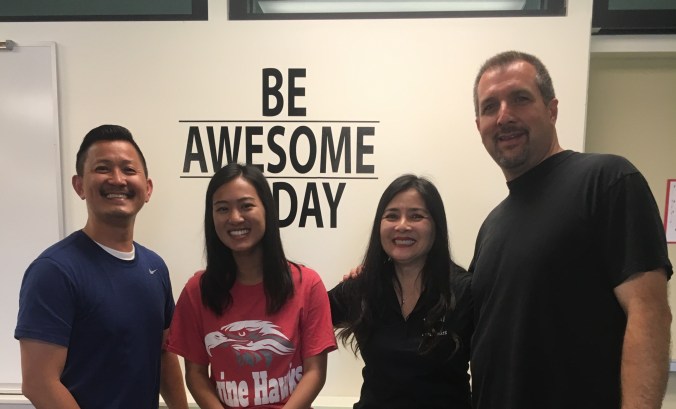
 The end of the school year is always hectic and this year proved no different. Negotiations between our association (union) and district resulted in a school calendar in which the last day of school for the students was also the last day for teachers. I say this because in the photo, I’m sure our smiles cannot hide how tired we were and I’m also using that as a reason for the delayed post since the last day of school for us was June 15.
I write this blog with both excitement for the future yet also a bit of sadness. You see, in the photo, is our history department (Vo, Lauren, me, and Sanchez). The photo tells the story of a long journey that begin in the spring of 1998 or maybe it was 1999 when a student teacher from California State University, Long Beach (CSULB) approached my principal to ask if he could do some observations as part of his credential program. It was a serendipitous meeting that ended up with him connecting with me after I moved to a different middle school (within the same district) to be my student teacher. That student teacher is one on the left in the picture (Vo) and his two master teachers are on the right (Sanchez and me). At the conclusion of his student teaching semester, one of the history teachers at our school chose to retire which created an opening for a new teacher.
As the master teachers, Sanchez and I sat on the interview panel of history teacher after history teacher who applied for the full-time world and U.S. history position. If you are familiar with the history teaching profession, then you know that it’s hard to find a full-time history position. After the last candidate left the room, we had a pointed discussion with our administrator who wanted to hired a seasoned teacher. We fought to hire our student teacher. As you can see, we won because remember, he’s the one on the left. =)
Fast forward to fall 2016. Because all of us are graduates of the credential program from CSULB (#gobeach), we tend to get our share of student teaching candidates who request to observe our classrooms. Lauren (@Ms_ltnle) and her friend (another student in the credential program) spent several days observing all three of our classrooms. I didn’t recognize her at first, but Lauren eventually revealed that she was a former student of mine 11 years ago. Come to find out, I also had her little sister and brother. Yikes, I’m old. But I digress.
Come fall of 2017, Lauren contacts Vo because she wants to student teach at our school. As a former student, this puts her in a good place because our district is all about the home-grown aspect of former students coming back to give back. As in the past, Sanchez and I took the lead as master teachers for Lauren with Vo providing much needed personal and professional support for her.
It was a fun-filled, crazy busy semester. In fact, I wanted to blog about our experience (e.g., the laughter, growing pains, misunderstandings, epiphanies, puns), but I just didn’t have time. I posted pictures and tweeted things out here and there, but that’s about all I could do during the semester. But long story short, Lauren rocked her student teaching semester. She was responsible for teaching two world history classes (mine) and one U.S. history class (Sanchez). And I’ll be honest, she rocked it. Lauren brought with her the passion for helping children and the love for creativity in the learning process. Make no mistake, this was not an easy teaching assignment. The three of us are on top of our game. Our department is highly collaborative; we have strong personalities–basically we’re like a tight-knit family. On top of that, our department has been 1:1 (student-to-iPad ratio) for many years now, so we offer our students a blended approaching to learning with technology playing an integral part of the process. So Lauren had to quickly learn how to juggle classroom management, content attainment, and sound technology pedagogical practices basically from Day 1. She approached those challenges head-on (it helped that she subbed for us quite a bit the semester before so she was familiar with how we use technology). And I’m proud to say that she is ready for her own classroom as well as the challenges and joys that come with it. Unfortunately, we don’t have a history position at our school to offer her because Sanchez and I would fight for her like we did for Vo. So, alas, Lauren has to expand her search for a full-time history position. We look forward to seeing which district will benefit from all that she has to offer.
In closing, I want to bring it back to why this post is both exciting yet sad for me to write. It’s exciting because what you see in the photo is a legacy of what teachers do and who we are. And it’s sad because we’re going to miss having Lauren around. Having said that, I’m excited that this photo represents a department that boasts two master teachers, two home-grown student teachers, one former student, and better yet FOUR history teachers.
We’ve come full-circle, my friends.
#gobeach #csulb #ggusd #lovemymiddleschoolers #bestprofessionever

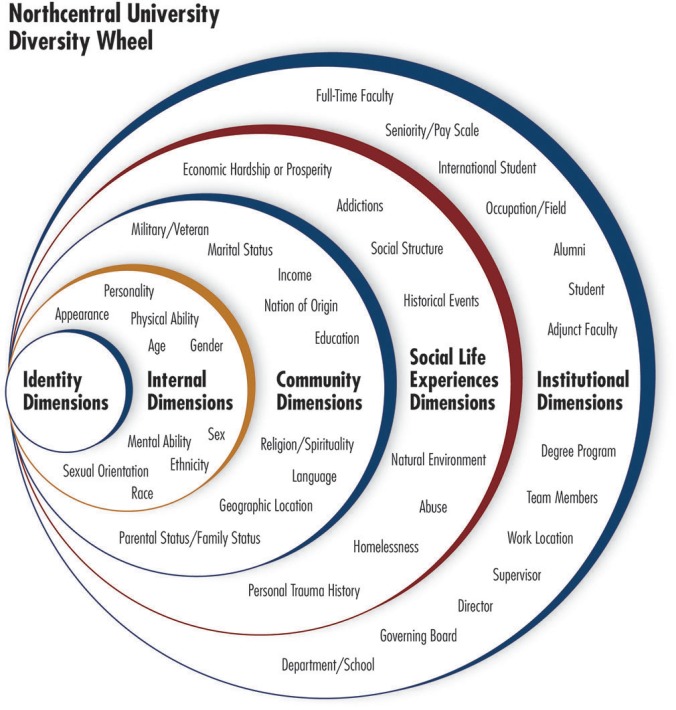 This diversity wheel aligns with Bronfenbrenner’s (1977; 1994) nested model of the ecological systems approach. In this case, the individual is the focal point from which radiates the varied types of influences upon the individual organized in concentric circles (from narrow to broad).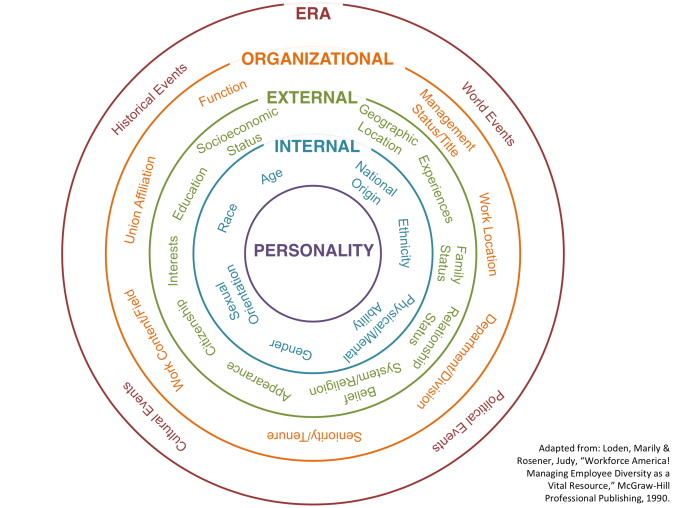
 Living the Learning Curve